Bedroom Plants
Your bedroom is more than just a place to rest—it’s your sanctuary for relaxation and rejuvenation. Furnishing it with Bedroom Plants can transform it into a haven of tranquility while promoting better sleep hygiene.
The curated selection of plants in this category has been chosen to enhance air quality, maintain healthy humidity levels, and support a balanced sleep-wake cycle, making them the best plants for bedrooms.
Read More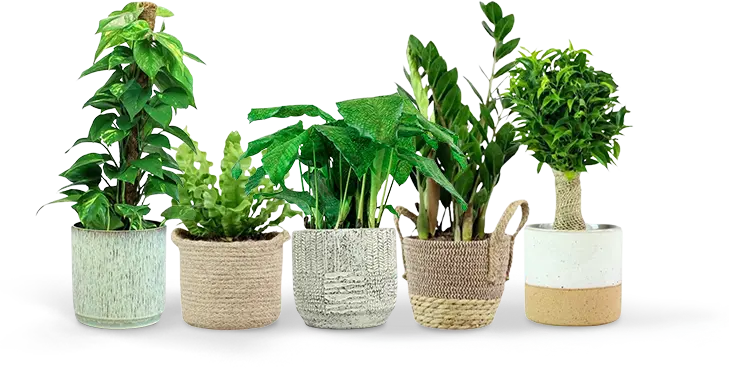
Bedroom Plants


Why Bedroom Plants Are Essential
Improved Air Quality
Plants like Snake Plant and Parlour Palm are natural air purifiers. They filter toxins like benzene, formaldehyde, and carbon dioxide, ensuring a cleaner and healthier breathing environment while you sleep.
Enhanced Humidity
Plants such as Boston Fern and Areca Palm release moisture into the air, maintaining ideal humidity levels to prevent dryness that can disturb your sleep. This is particularly beneficial in homes with heating or air conditioning, which can lower indoor moisture.
Natural Circadian Rhythms
Certain plants, like the Aloe Vera and Lavender, interact with their environment by following their own circadian rhythms, releasing oxygen at night. This complements your sleep-wake cycle and creates a calming bedtime atmosphere.
Best Plants for Bedrooms
- Snake Plant: A low-maintenance plant that purifies air and emits oxygen even at night.
- ZZ Plant: Known for its resilience and low-maintenance nature, the ZZ Plant thrives in low light and helps filter indoor air while adding a modern touch.
- Calathea 'Pink Ornata': This stunning plant, with its dark green leaves and delicate pink stripes, not only adds elegance but also helps maintain healthy humidity levels in your bedroom.
- Aloe Vera: This hardy plant improves air quality and requires minimal care.
- Areca Palm: A natural humidifier that adds a touch of tropical charm to your space.
Crafting the Perfect Atmosphere
When selecting Bedroom Plants, consider the mood you want to create. If minimal maintenance is your priority, choose Snake Plant or Aloe Vera. Position plants near windows with indirect sunlight and water them as required, ensuring they thrive in your bedroom’s environment.
Invest in the best bedroom plants to enhance your sleep quality and overall well-being. Let nature work its magic while you rest!
Frequently Asked Questions
Q1: Are indoor plants good for the bedroom — what are the benefits?
A: Yes. Many indoor plants help improve air quality by absorbing common indoor pollutants and releasing oxygen. They can also boost humidity (useful in dry climates or winter), which benefits skin and respiratory comfort. Having greenery can create a calming, relaxing environment that may lower stress and support better sleep hygiene.
Q2: Which plants are ideal for bedrooms — especially if the room has low light or I want low-maintenance care?
A: Some of the most bedroom-friendly plants are ones that tolerate low light and need minimal care. Examples include Snake Plant, Peace Lily, Spider Plant, Aloe Vera, and English Ivy — these are often recommended as “easy care” plus “air-purifying” for bedrooms.
Q3: Could having plants in the bedroom ever be bad for me (e.g. affecting sleep, oxygen or humidity)?
A: In general, houseplants are safe — the idea that they use up all the oxygen is overstated. However, there are a few caveats: poor ventilation combined with many plants and excessive humidity may encourage mold growth or trigger allergies. As with any indoor planting, proper care (watering, light, soil management) is important.
Q4: How many plants should I keep in my bedroom to see benefits — does “more plants = better”?
A: More plants don’t necessarily mean better outcomes. Even a few well-chosen plants can improve ambience, freshness, or mood. The benefits (air quality, humidity, stress reduction) depend more on the type of plant, the placement (light, ventilation), and care — not just sheer quantity.
Q5: Are bedroom plants safe if I have pets or children at home?
A: That depends on the plant species. Some common air-purifying indoor plants are non-toxic and pet-friendly (like Spider Plant), but others (like Peace Lily) may be toxic if ingested. It’s always best to check the toxicity of a plant and, if necessary, place it out of reach of children or pets.